
The Missing Layer in Change Management Is Neurological. The Creative Arts Help Unlock It.
A story, the neuroscience, and practices leaders can use right away.
Earlier this month, I found myself front row center, singing my heart out alongside a hundred or so strangers: “Let’s go there. You know where. I’ll meet you there.”
It was an intimate concert just outside Washington, D.C., with Ye Vagabonds, one of my favorite bands. During the encore, they spoke about how heartbeats sync when we sing together. As a musician, I know firsthand that there is nothing quite like singing in harmony with other people, and science suggests that this feeling is more than a metaphor.
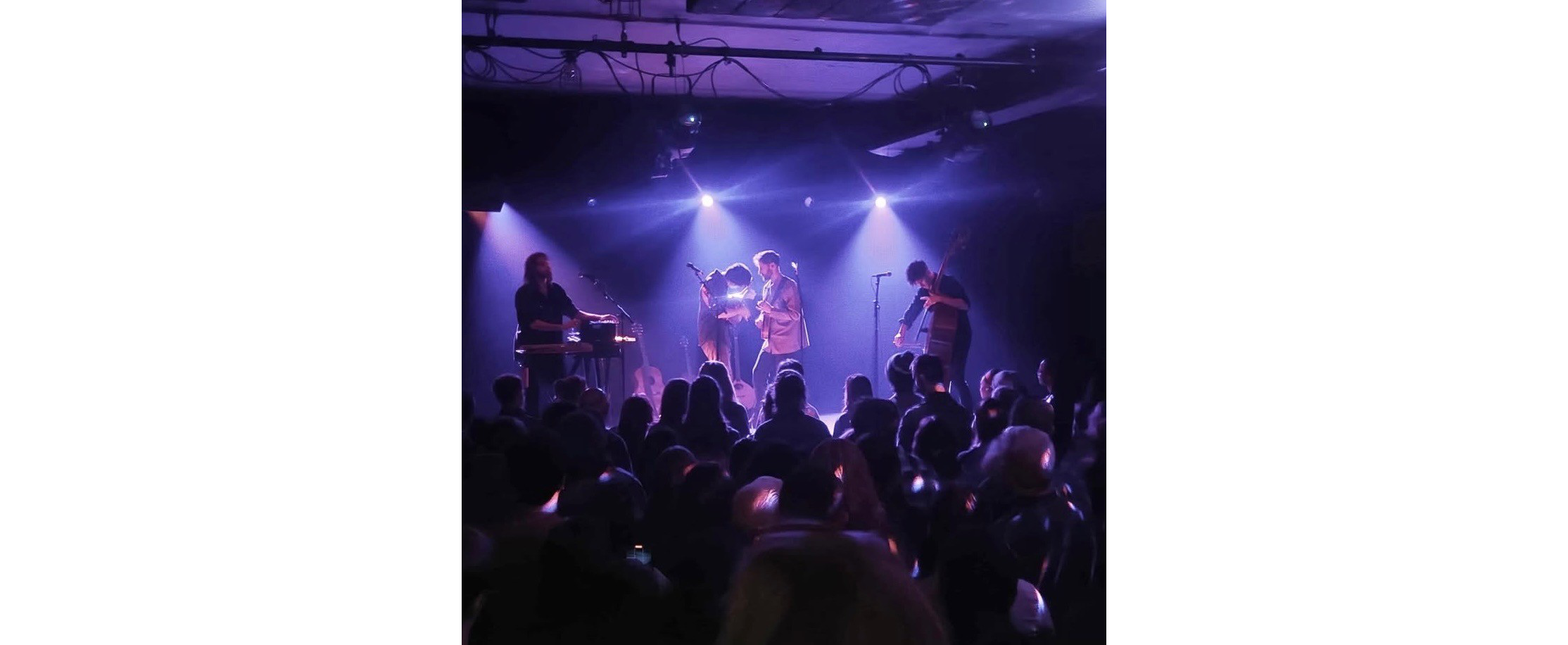
Ye Vagabonds live in Chicago at Sleeping Village
It was an intimate concert just outside Washington, D.C., with Ye Vagabonds, one of my favorite bands. During the encore, they spoke about how heartbeats sync when we sing together. As a musician, I know firsthand that there is nothing quite like singing in harmony with other people, and science suggests that this feeling is more than a metaphor.
My experience made me think of Susan Magsamen's work, co-author of Your Brain on Art and Executive Director of the International Arts + Mind Lab, The Johns Hopkins University and her research on how musical experiences activate multiple brain systems simultaneously, creating a biologically shared state that supports interpersonal attunement, bonding, and social neuroplasticity.
In my own work at the University of Virginia’s Contemplative Sciences Center, I frame a full 60-minute experience around heart-centeredness. What I observe is an almost instantaneous response. As soon as people are given this cue, they move into a connected place, within themselves and with each other. You can feel the synchronization in the room, without a single word being spoken. This is not a one-off observation. Over the last decade, I have led hundreds of mindfulness experiences, with remarkably consistent results (virtual and in-person).
In the workplace, this level of human connectedness is needed more than ever.
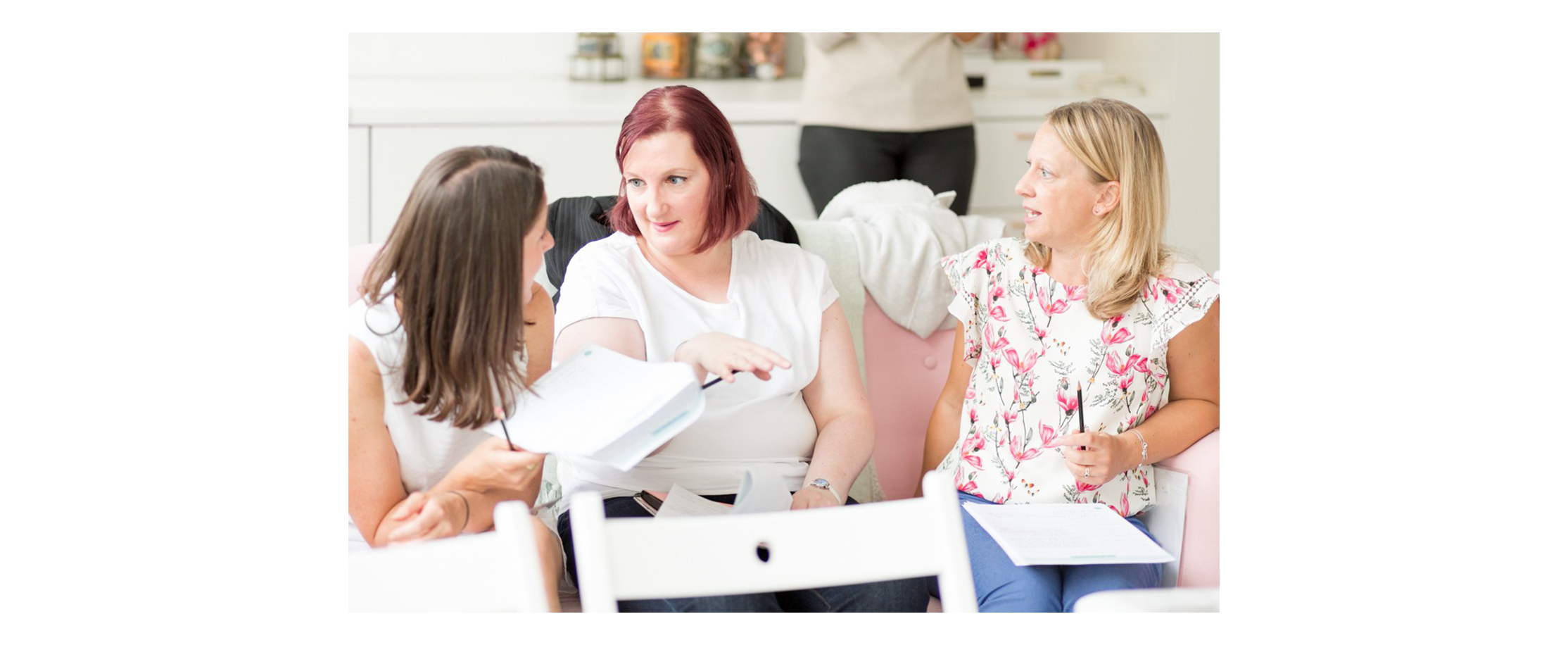
As an executive facilitator, I find that even the most well-intentioned leaders and strong cultures struggle to access this sense of belonging in their teams. Practices that can create connection in settings outside the work environment are often reduced to brief micro moments and require weeks or months of repetition to take hold.
In AI-accelerated environments, teams are expected to regulate stress, emotion, attention, and cognitive flexibility continuously, without the human-centered tools they need.
A magic formula.
The current buzz around energy management is on the rise. Mainstream business media, including Fortune, Forbes, Harvard Business Review, and McKinsey, increasingly frame it as a requirement in successful change management. Like any core business priority, managing energy requires strategy and disciplined execution. Yet to succeed in the workplace, it must be modeled by senior leaders in ways teams can see, adopt, and sustain.
EY’s 2025 Work Reimagined Survey makes the stakes clear. Despite widespread AI use, only 28 percent of organizations report transformational outcomes, pointing to gaps in connection, stress regulation, and energy capacity as barriers to change.
This is where the arts, music, and the humanities offer a direct response. They engage bio-mechanical and neuro-adaptability systems capable of shifting human functioning faster than many leadership interventions. This speed matters.
Here are three ways to take a break and make it matter.
At their core, these practices restore connection, first internally and then collectively. Energy management is not a solo act in the workplace.
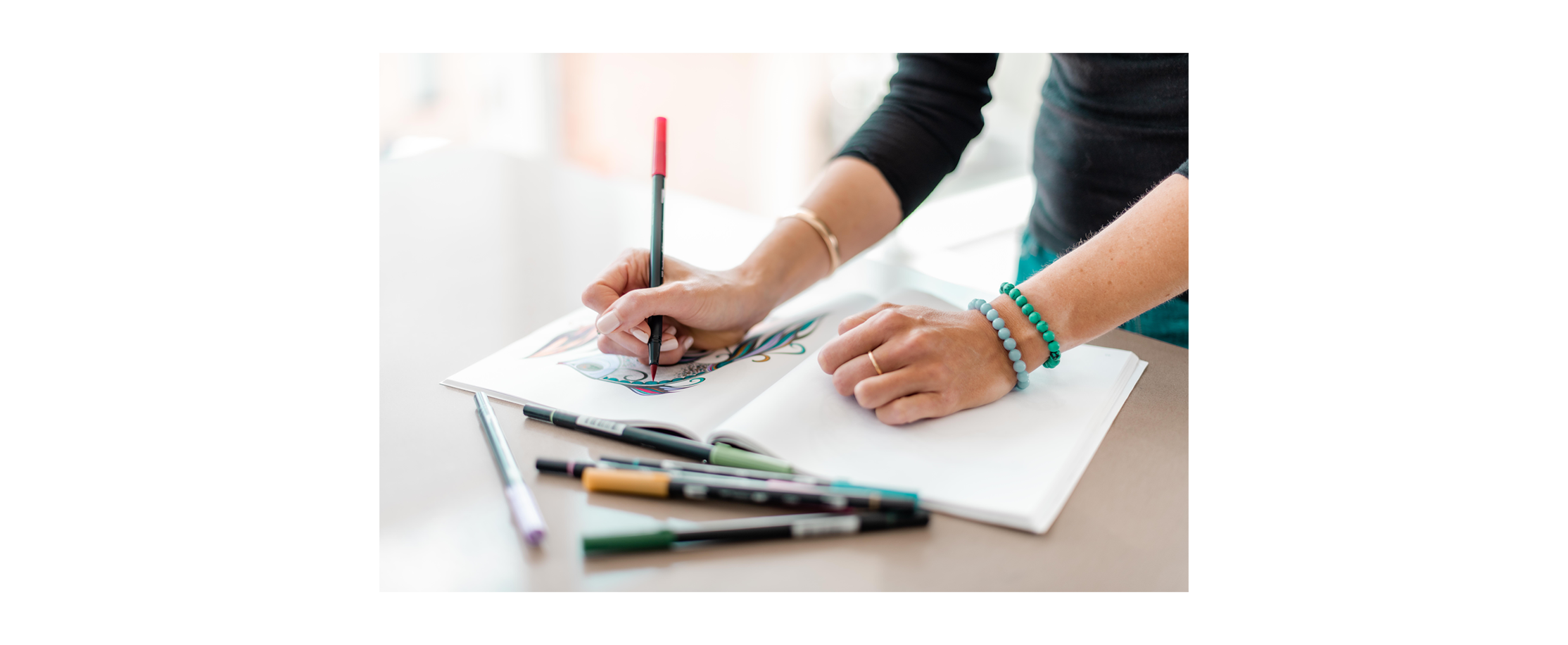
Photo by Ryan Barayuga
UNLOCK PROBLEM-SOLVING | 20-MINUTE COLORING:
On average, it takes 15–20 minutes to downshift our autonomic stress response. When working through a complex issue, step away from the screen. Use coloring to engage visual and motor attention, reduce cognitive load, and move out of urgency.
Set a twenty-minute timer and stay with the task, notice your breath, and focus on the visual pattern/colors when your mind wanders. When you return to work, clarity and solutions often surface with greater ease.
For bonus points: Try coloring with your non-dominant hand to stimulate your subconscious insights.
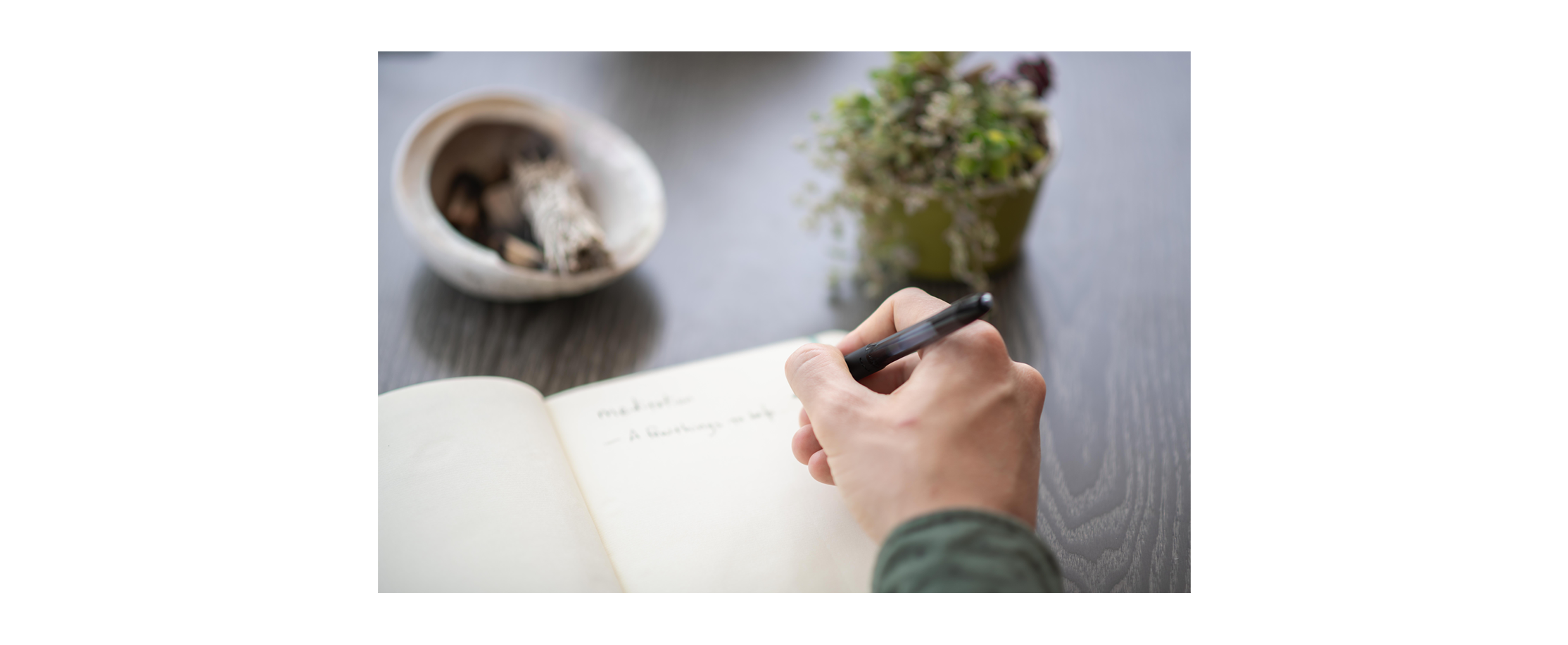
Photo by Ryan Barayuga
BREAK PROCRASTINATION | 5-MINUTE EXPRESSIVE WRITING:
Even brief, unstructured writing can reduce anxiety by externalizing stress and bypassing perfectionism. Set a five-minute timer and write without editing. Shifting from analysis to expression is often enough to restore momentum.
Where is my energy going right now?
What feels unresolved that I’m avoiding?
What would change if I focused on one outcome instead of five?
For bonus points: Tell someone you trust about your takeaways from this exercise and see what more comes to life.
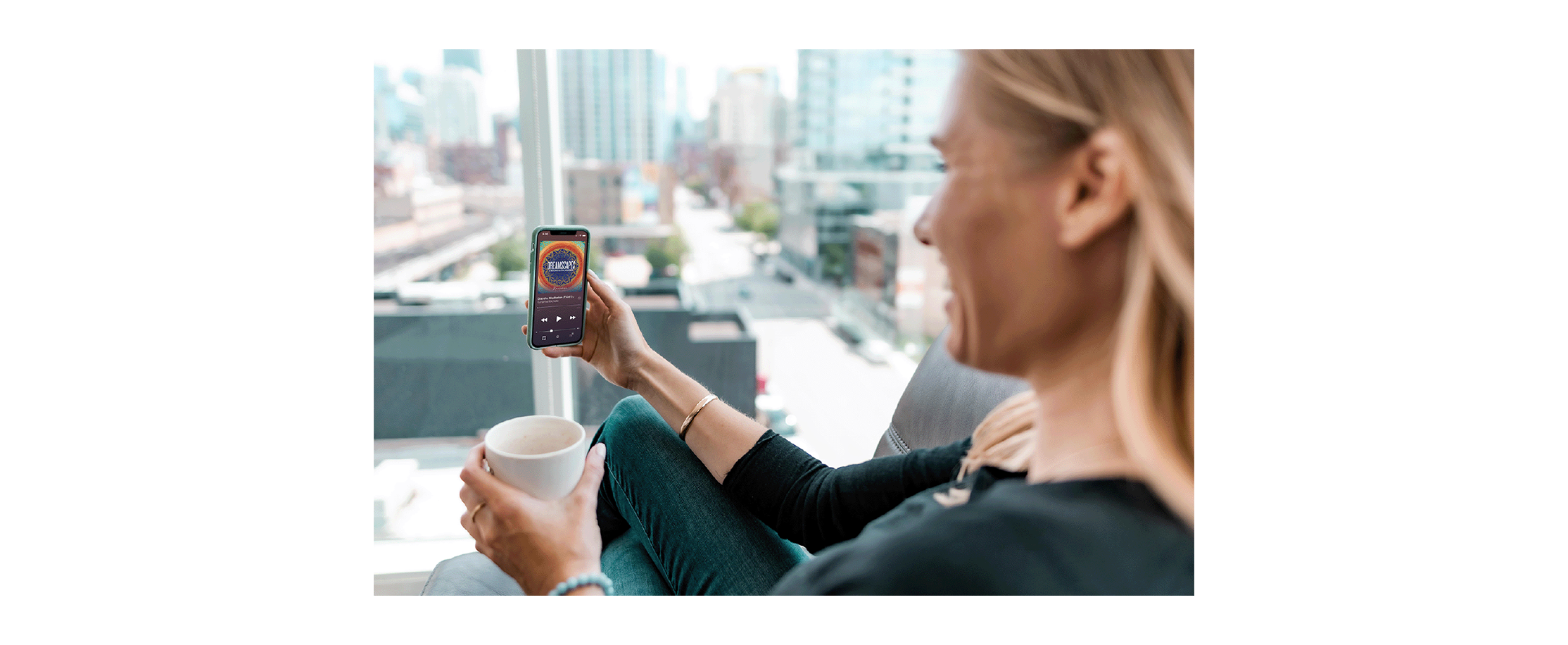
Photo by Ryan Barayuga
ENERGIZE & RESET WITH SINGING:
Singing is one of the fastest ways to restore usable energy. It engages breath, voice, rhythm, and attention at once, helping the nervous system settle and focus return.
Play a song you love and permit yourself to get lost in the lyrics and melody. Whether you hum quietly or sing out loud, stress eases, energy lifts, and you show up better for yourself and for others.
For bonus points: Find someone else to sing with and feel the energy rise in new ways.
This is how change becomes possible.
The lyric we sang together that night at the concert echoes Rumi’s A Great Wagon, a reminder that the capacity to lead, adapt, and hold others steady begins with how we meet one another.
Excerpt from Rumi, A Great Wagon:
Ultimately, when we can hold space for ourselves, we build the capacity to hold space for others. From this space, transformation can take hold.
Related resources from this article that I find fascinating:
For more on the topic of music, arts, and togetherness, check out This is Your Brain on Protest Songs by Sarah Hayes Coomer and How the Arts Can Benefit Your Mental Health (No Talent Required) by Christina Caron.
On leadership development and impact, read Harvard Business Impact’s 2025 Global Leadership Development Study.